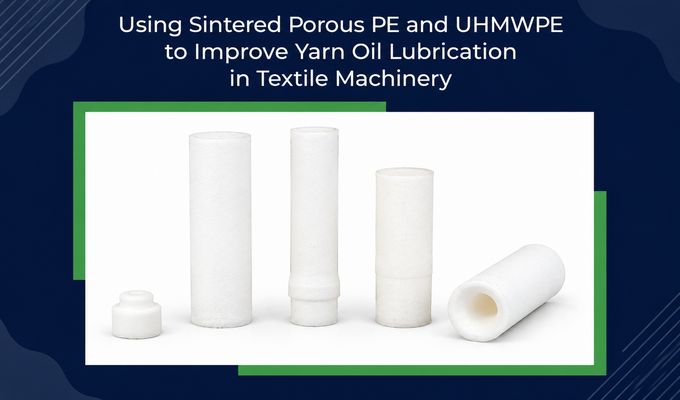
During textile manufacturing, yarn moves continuously through machine components at high speeds, creating friction that can affect yarn quality, increase breakage, and influence production performance. Lubrication helps reduce this friction, but applying the right amount is critical. Too little oil may not provide sufficient lubrication, while excess oil can cause contamination, staining and unnecessary consumption. This makes controlled oil transfer an important requirement.
This is where sintered porous plastics such as PE and UHMWPE come into play. Their interconnected pore structure allows the material to retain lubricating oil and gradually transfer it to the yarn-contacting surface. Sansuk Industries manufactures customised porous plastic yarn oil lubricators, including porous plastic cylinders, with specifications such as porosity, micron rating, shape and size tailored to the required lubrication output.
Explore Sansuk’s sintered plastic lubrication solutions for textile manufacturing applications.
A] What Is Yarn Oil Lubrication?
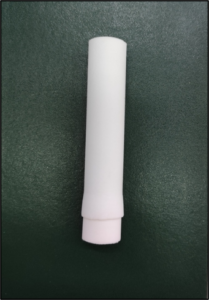 Yarn oil lubrication is the controlled application of a small quantity of lubricating oil to yarn during textile processing. As yarn moves through a machine, it experiences considerable friction. At higher production speeds, this friction can influence yarn behaviour and processing performance. Applying lubrication helps create smoother contact between the yarn and machine surfaces.
Too little oil may provide insufficient friction reduction, while excessive lubrication can contribute to contamination, staining, handling problems, and unnecessary oil consumption. The goal is therefore to deliver the appropriate amount of oil uniformly and consistently.
This is why the design of the lubricating element matters. The material, pore structure, dimensions, oil characteristics and operating conditions all influence how effectively oil reaches the yarn.
B] What Is a Yarn Oil Lubricator, and How Does It Work?
A yarn oil lubricator is a component designed to transfer lubricating oil to yarn as it passes through textile machinery. Its design depends on factors such as the type of machine, yarn, lubricant, operating speed and required level of lubrication. An oil-retaining element comes into contact with the yarn and gradually transfers lubrication during operation.
A porous plastic yarn oil lubricator uses an interconnected network of microscopic pores to hold and manage the lubricant. Instead of allowing oil to flow freely across a surface, the porous structure acts as a reservoir from which oil can move toward the yarn-contacting surface.
How does a yarn oil lubricator work? In simple terms, demonstrated through process flow:
Oil supply → Oil retention → Yarn contact → Oil transfer
The porous element needs enough internal surface area to retain oil while also providing a controlled pathway for its movement. This is how yarn oil lubrication can be made more consistent and manageable.
C] Why Use Porous Plastic for Yarn Lubrication?
Traditional oil application systems may use brushes, rollers, pads, wicks, felt or other liquid-transfer mechanisms. Each can be suitable depending on the application. Porous plastic takes a different approach by using an engineered polymer structure with interconnected pores.
For textile machinery, this structure provides several useful characteristics:
- Controlled oil transfer
- Oil retention within the component
- Defined porosity and permeability
- Lightweight construction
- Chemical resistance
- Consistent physical properties
- Design flexibility
These characteristics allow the lubricating element to be designed around the requirements of the textile process rather than relying solely on a standard component.
D] Benefits of Sintered PE in Textile Machinery
Sintered PE can be particularly useful when a yarn oil lubricator needs to retain and transfer oil while maintaining its physical properties during operation. Polyethylene offers chemical resistance, low moisture absorption and good mechanical characteristics. When manufactured as a porous structure, these properties are combined with the ability to retain and transfer liquids.
For sintered PE yarn oil lubrication, the pore structure can act as an oil reservoir. Oil remains within the porous element and becomes available at the yarn-contacting surface as the yarn passes through the lubricator.
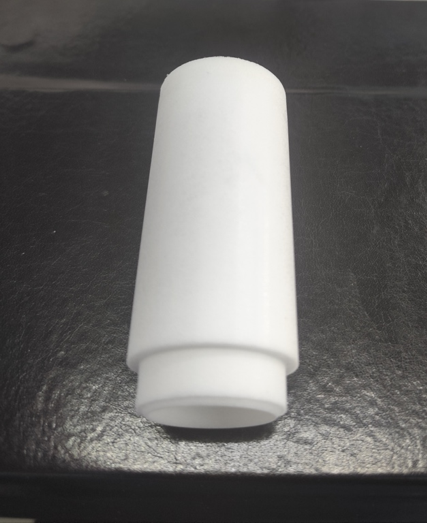
Sintered PE for Yarn Oil Lubrication
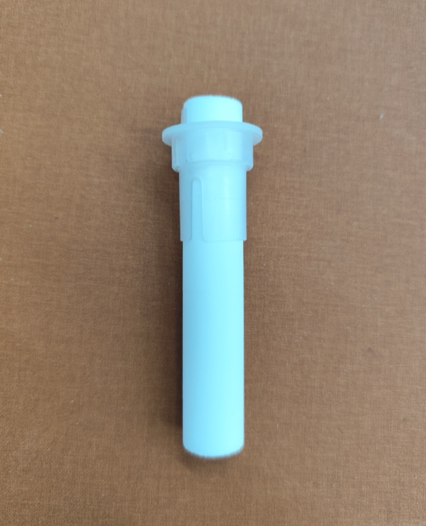
Sintered UHMWPE for Yarn Oil Lubrication
The benefits can include:
1. Controlled Oil Transfer
A porous plastic element can be designed to transfer oil rather than relying on unrestricted liquid flow. This helps support a more consistent quantity of lubricant reaching the yarn.
2. Consistent Lubrication
Variation in oil application can affect yarn friction and processing behaviour. A properly designed porous plastic oil lubricator can help maintain a more uniform supply at the yarn-contacting surface.
3. Oil Retention
The interconnected pores can hold oil within the material, allowing the lubricator to remain supplied while transferring smaller quantities to the moving yarn.
4. Potentially Lower Oil Waste
Controlled oil delivery can help reduce unnecessary oil consumption compared with systems that apply excess lubricant. The actual result depends on the machine, lubricator design and lubrication requirements.
5. Customisable Porosity
Porous plastic can be manufactured with different levels of permeability, porosity and oil-retention behaviour. This makes it possible to develop a lubricator around a particular application instead of forcing the application to use a standard component.
6. Lightweight and Durable Components
Porous plastic components can provide a useful combination of low weight and durability. For textile machinery, where components may operate continuously for long periods, material selection is important. A suitable porous plastic can provide the required mechanical performance while also performing the liquid-management function.
7. Suitable for Continuous Textile Processes
Textile manufacturing often involves continuous high-speed movement of yarn. A lubrication component must therefore work reliably under continuous operating conditions. Properly designed porous plastic elements can provide a repeatable method of supplying oil to the yarn during processing.
E] UHMWPE Yarn Oil Lubricators: Where Do They Fit?
UHMWPE, or ultra-high molecular weight polyethylene, can also be considered for applications requiring an oil-retaining and oil-transferring component with a strong physical base. Like PE, porous UHMWPE combines the liquid-management function of an interconnected pore structure with the mechanical and chemical characteristics of the polymer. This means the component can serve both as a structural element and as a medium for controlled oil transfer.
A UHMWPE yarn oil lubricator may therefore be considered when the operating environment places greater demands on the material. However, the choice between PE and UHMWPE should be based on the complete application rather than assuming one material is universally better.
F] How to Choose Material for a Yarn Oil Lubricator?
Material selection should begin with the actual operating conditions. A yarn oil lubricator does more than store lubricant. It interacts with the oil, yarn and textile machinery, so the material needs to remain compatible with all three during operation.
Important factors include:
- Type of lubricating oil
- Oil viscosity
- Required oil-transfer rate
- Yarn speed
- Yarn tension
- Contact pressure
- Contact area
- Operating temperature
- Required dimensions and geometry
- Required porosity and permeability
- Characteristics of the yarn surface
Oil viscosity is particularly important because it affects how easily the lubricant moves through the pores. A low-viscosity oil can behave differently from a high-viscosity lubricant, which is why the lubricator should be designed after understanding the complete process.
G] Porous Plastic Cylinders for Yarn Lubrication
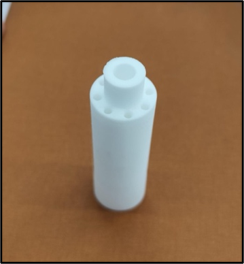
The geometry of the porous element is another important part of the design. Sansuk Industries manufactures special porous plastic cylinders for applying lubricating agents to yarn during textile manufacturing. These cylinders can be customised according to the required application and lubrication output.
Porous plastic cylinders can be manufactured from 3 microns to 500 microns in different shapes and sizes, depending on the application and required amount of lubrication. Their characteristics can also be customised for parameters such as size, shape, porosity, and micron rating.
This level of customisation is important because the same lubricator specification may not deliver the same results across different yarns, oils, speeds or machines.
H] What Factors Affect the Oil-Transfer Rate?
The oil-transfer rate of a porous plastic lubricator is not determined by pore size alone. Several operating and design parameters can influence how the lubricant moves through the porous structure and reaches the yarn.
These include the following:
- Pore size and porosity
- Component shape and dimensions
- Type and viscosity of oil
- Amount of oil supplied
- Yarn speed
- Yarn tension
- Contact pressure
- Contact area
- Temperature
- Surface characteristics of the yarn
This is why application-specific testing and component design are important when developing a porous plastic lubricator.
I] Where Can Porous Plastic Be Used in Textile Lubrication?
The use of porous plastic is not limited to one type of yarn or machine. Depending on the design, porous plastic components can be considered for yarn-processing equipment, textile machinery, lubrication assemblies and other systems requiring controlled delivery of oil or a compatible liquid.
For manufacturers looking at broader applications of porous plastic within textile manufacturing, Sansuk Industries also provides sintered porous plastic for the textile industry.
J] Sansuk Industries for Custom Yarn Oil Lubrication Solutions
As a leading porous plastic products supplier in Mumbai, Sansuk Industries manufactures porous plastic products for yarn oil lubrication using materials such as sintered PE and develops customised porous yarn oil lubricators according to specific output requirements.
The company specialises in customising product characteristics such as the following:
- Size
- Shape
- Porosity
- Micron rating
- Component geometry
Its porous plastic cylinders are used for applying lubricating agents during textile manufacturing, including high-speed textile machinery applications. Sansuk supplies its products not only to textile manufacturers in India but also to customers in Asia, Europe and Africa.
Get custom porous plastic yarn oil lubricators built for your textile machinery needs.
Conclusion
Effective yarn oil lubrication in textile machinery depends on consistently delivering the appropriate amount of lubricant as the yarn moves through the production process. A well-designed lubricator can help manage friction while avoiding the problems associated with insufficient or excessive oil application. For textile manufacturers and machinery designers, the most suitable solution depends on the complete application, including the lubricant, yarn, operating speed, temperature, contact conditions, and required oil-transfer rate.
Sansuk Industries can develop porous plastic lubrication components around these requirements rather than relying on a one-size-fits-all design. For application-specific requirements, explore Sansuk Industries’ sintered porous plastic yarn oil lubricator for textile manufacturing.

FAQ's
What micron range do your yarn oil lubricators come in?
Porous plastic cylinders used for yarn lubrication can be made available in sizes from 3 microns to 500 microns, based on the particular application and the lubrication needs. Size, shape, porosity and micron rating can also be tailored to fit customers’ needs.

sansuk
Can yarn oil lubricators handle high-speed, high-temperature operation?
Porous plastic products can function at optimal capacity under high-speed and high-temperature conditions. However, actual performance depends on the material, lubricating oil, machine conditions and final component design.
sansuk
What factors affect the oil-transfer rate of a porous plastic lubricator?
Oil-transfer rate can be influenced by pore size and porosity, component dimensions, oil type and viscosity, oil supply, yarn speed, yarn tension, contact pressure, contact area, temperature, and yarn surface characteristics.
sansuk
Why does yarn need to be lubricated during textile manufacturing?
Yarn encounters friction during its passage through textile machinery. Using a proper amount of lubrication creates smooth contact between the yarn and machine surfaces.
sansuk
How does sintered PE compare to felt, wicks, or rollers for yarn lubrication?
Felt, wicks, rollers, brushes and pads use different approaches to liquid transfer and may be suitable for different applications. Sintered PE uses an engineered porous polymer structure that can retain oil and provide a controlled transfer pathway. Its suitability depends on the specific lubricant, yarn, machine, and required oil-transfer characteristics.
sansuk
Are there different grades of UHMW?
Yes. UHMW is available in different grades, each designed for specific performance requirements such as wear resistance, chemical resistance, strength, and filtration applications. These grades can also be tailored with varying pore sizes, porosity levels, and mechanical properties to meet the needs of specific industrial filtration systems.
sansuk
Does porous plastic lubrication reduce oil wastage compared to conventional systems?
Controlled oil transfer can potentially reduce unnecessary oil consumption by delivering the quantity required rather than allowing excess oil to be freely applied. However, the actual level of oil saving depends on the lubricator design, machine configuration, lubricant, and operating requirements.
sansuk